Apology Letter to Your Parents: When Sorry Needs to Be Written
Sometimes saying sorry out loud isn't enough. The words get tangled. The emotion gets in the way. Your parents get defensive. The conversation derails into a fight rather than a healing.
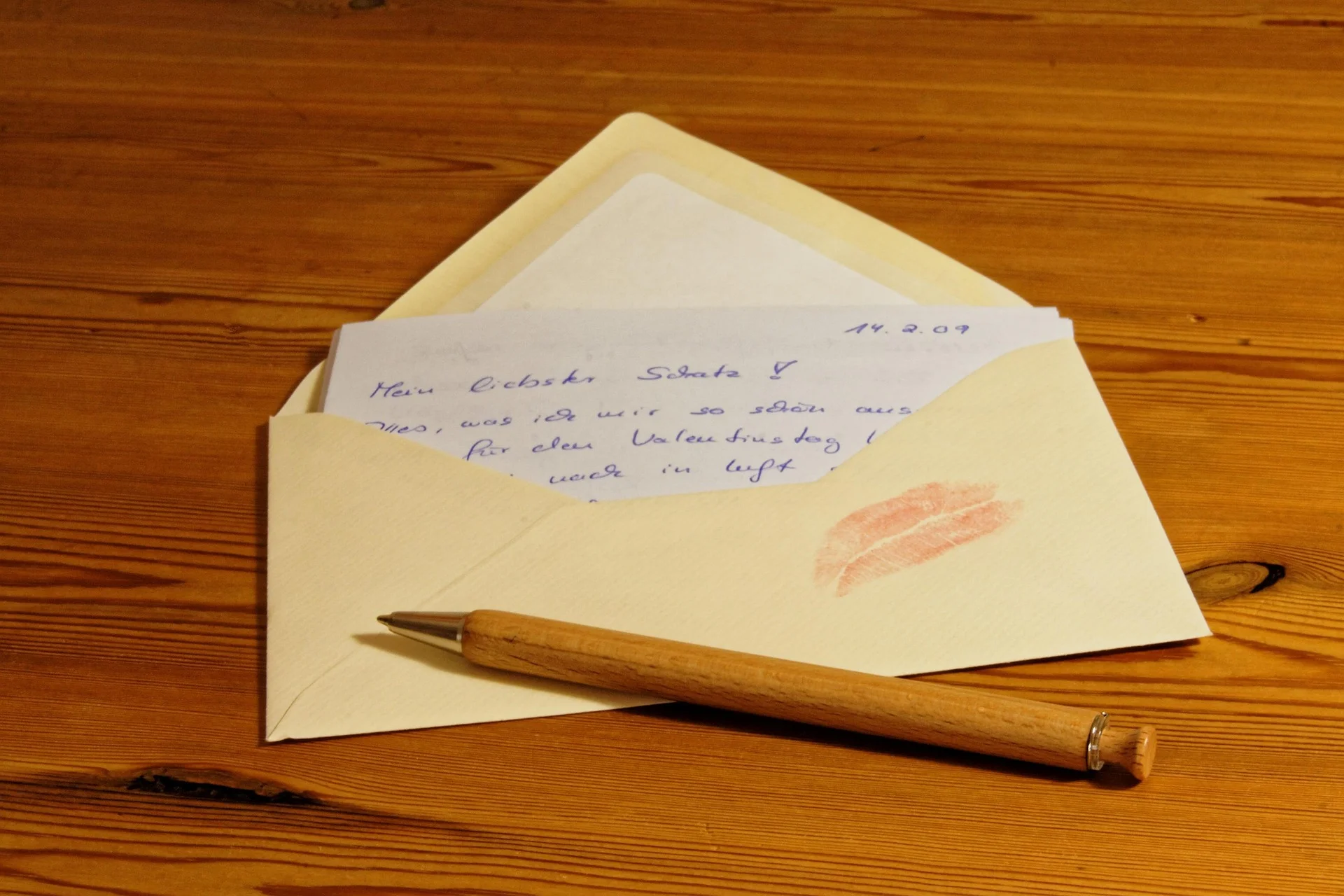
A written apology is different. It lets you say exactly what you mean, with time to find the right words. It lets your parents hear you without interruption or defensiveness. It creates a permanent record that you meant it. That you've thought about this deeply.
Why Parents Need This
Parents carry guilt. They worry they didn't do enough. They remember their mistakes more vividly than their successes. They replay conversations in their heads, wondering if they handled things right.
When you hurt them, it triggers all of that guilt and worry. An apology letter gives them something concrete. Proof that you see what you did. Proof that you care enough to put in effort. Proof that your relationship matters enough to you to be vulnerable and write.
It's also evidence that you've thought about this when you weren't angry. That you've had time to reflect. That this apology comes from a place of genuine remorse, not just trying to end an argument.
How to Write It
Name What You Did
Be specific and honest. Not "I'm sorry for being disrespectful" but "I'm sorry for raising my voice at you when you were just trying to help. I'm sorry for making you feel like your concern wasn't valid."
"I said things I didn't mean. I blamed you for things that weren't your fault. I know that hurt you, and I'm genuinely sorry."
Show You Understand the Impact
Tell them how your actions affected them. Show that you're not just sorry you got caught or sorry the fight happened—you're sorry you hurt them. You're sorry you damaged their trust or their feelings.
"I know this made you question whether I respect you. I know it made you doubt that I care about your feelings. That's not fair to you. You deserve better from me."
Commit to Specific Change
Tell them specifically what you'll do differently. Not vague promises like "I'll be better" but actual, concrete changes you'll implement.
"From now on, when I'm frustrated, I'm going to take a breath before I respond. I'm not going to let my emotions make me hurt the people I love. I'm going to work on this."
Close With Respect, Not Pressure
Don't ask for immediate forgiveness. Don't pressure them to respond a certain way. Just tell them you're sorry and you want to do better. Give them space to process.
"I know this doesn't fix everything or erase what happened. But I wanted you to know that I see what I did, and I'm genuinely sorry. I respect you, even when I don't show it well."
What This Does
A real apology letter to your parents can heal relationships. It can rebuild broken trust. It shows maturity. It shows that you care about the relationship enough to be vulnerable and accountable.
It also teaches your parents something: that you're someone who can admit when you're wrong. That you can sit with uncomfortable feelings and address them. That you have integrity.
Write this letter. It might be one of the most important things you ever send them.
A handwritten apology says: I meant it.
Write your letter