Handwritten Letter vs Email: Why Letters Still Win
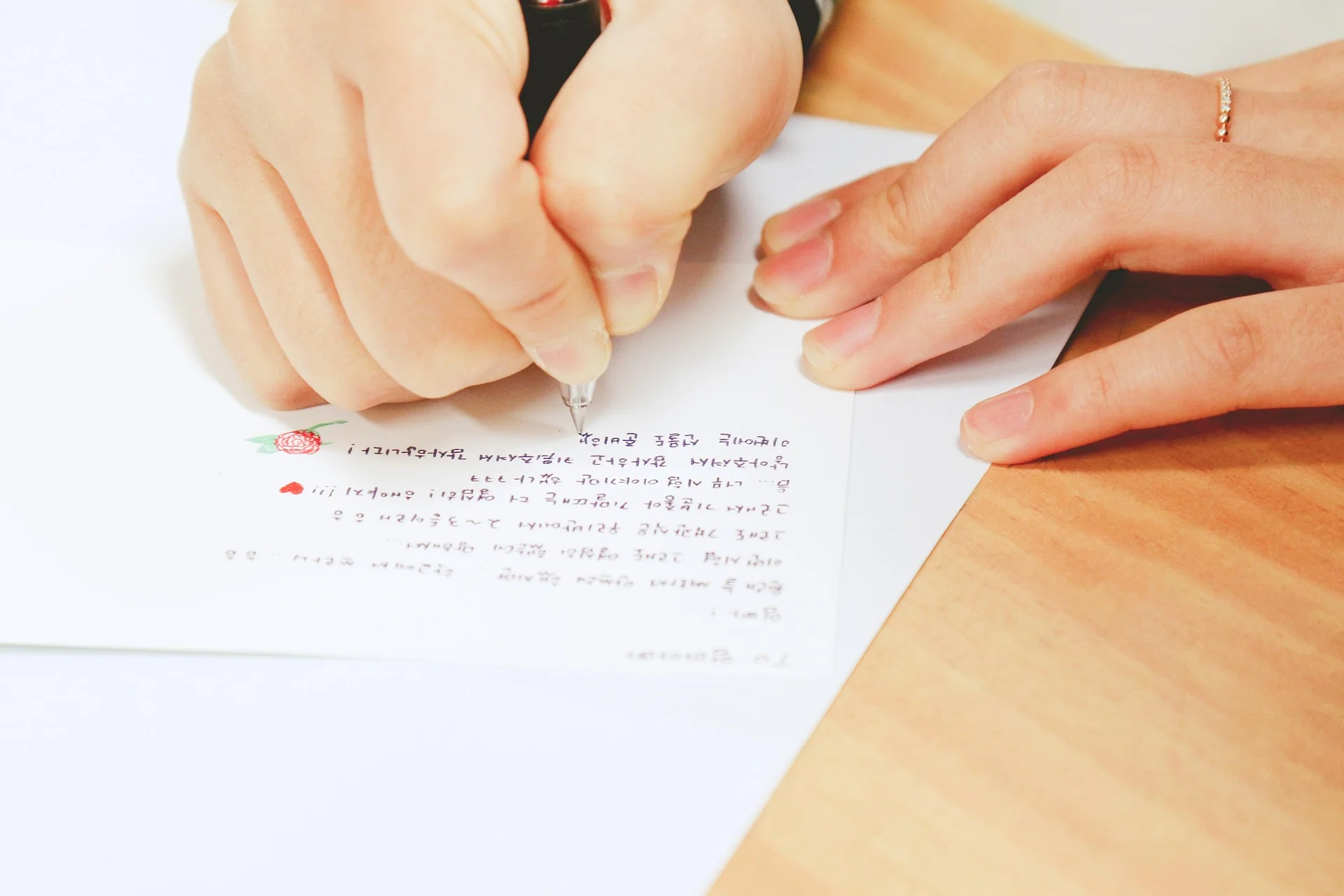
In a world of instant notifications and disappearing messages, a handwritten letter feels like an act of rebellion. It's slower. It's deliberate. It's real in a way that a ping on your phone will never be.
But is it really better? Let's look at what science and human nature tell us.
Email Is Fast. Letters Are Intentional.
Email wins on speed. You can fire off a message in seconds. But that's also its weakness. Because it's so easy to send, it's easy to forget. Your email lands in an inbox with a hundred others. It gets read, archived, forgotten.
A handwritten letter requires time. You have to sit down. You have to find paper. You have to pick up a pen. You have to think about what you want to say and say it clearly, because you can't edit once the ink is on the page.
That friction is not a bug. It's a feature. It means you only write letters you really mean.
Email Disappears. Letters Stay.
How many important emails do you have from people you love? Probably not many. You've probably deleted most of them. Or they're buried in folders you never look at.
Letters are different. People keep them. They reread them. They show them to other people. They keep them in boxes for decades.
A letter is a physical object. It can be held. It can be folded and unfolded a thousand times. It can be kept on a bedside table. It can be found years later and still make you cry.
"I found a letter my grandmother wrote me 20 years ago. I'd forgotten I even had it. Reading it felt like her talking to me from the past. No email could ever do that."
Email Is Broadcast. Letters Are Intimate.
An email can be forwarded. It can be cc'd. It can be screenshotted and shared. There's always a feeling that someone else might see it.
A letter is only for the person you're writing to. It's yours alone. That privacy changes how people write. They're more honest. More vulnerable. More real.
The Real Difference
Email is for logistics. Letters are for legacy.
Use email to coordinate and confirm. But when you want to say something that matters, when you want to tell someone they're important, when you want to leave a mark—write a letter.
Because in 50 years, no one will be rereading your emails. But they will still have your letters.
Send the letter. Email can wait.
Write your letter